

Soldering Irons
Soldering irons are used to join electronic components and wires with controlled heat. Tip compatibility, power rating, temperature control, ergonomics and the type of soldering work help determine the right tool.
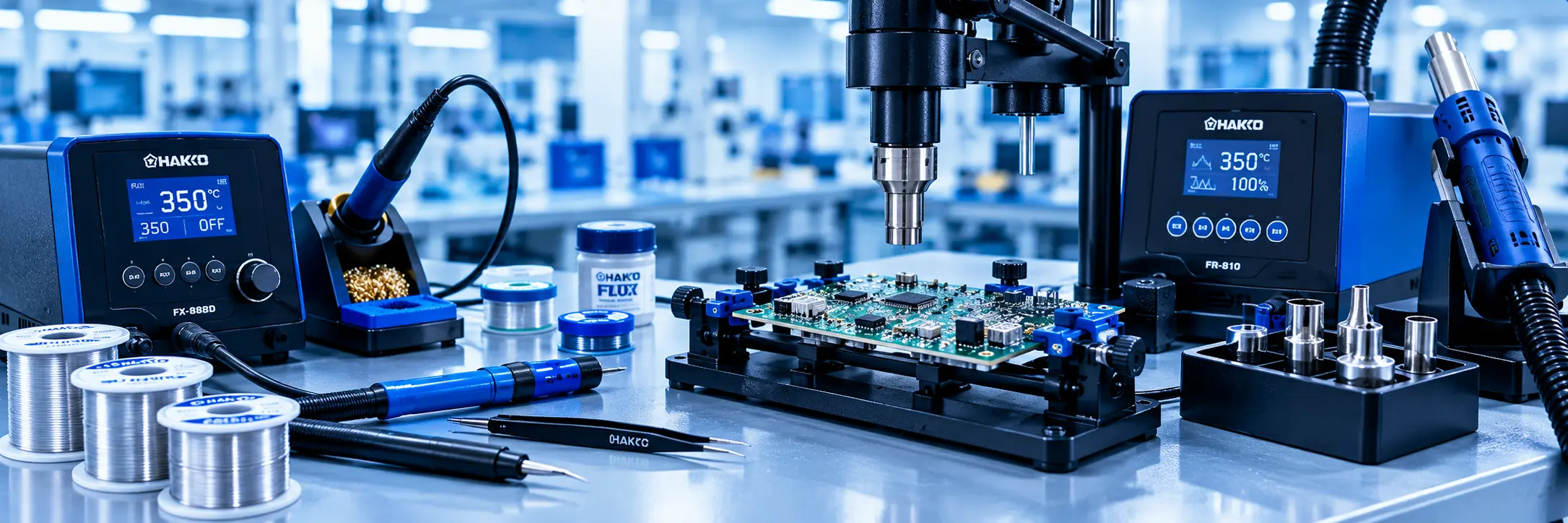
Explore soldering and rework tools, PCB repair equipment, and electrical test instruments used in electronics production, maintenance and quality checks. These product categories support controlled assembly processes, troubleshooting and verification of electronic systems.
Soldering and rework equipment supports electronic assembly, component replacement, PCB repair and precision rework. Choose equipment and accessories according to the application, temperature control needs, component sensitivity, production volume and operator requirements.
Soldering irons are used to join electronic components and wires with controlled heat. Tip compatibility, power rating, temperature control, ergonomics and the type of soldering work help determine the right tool.
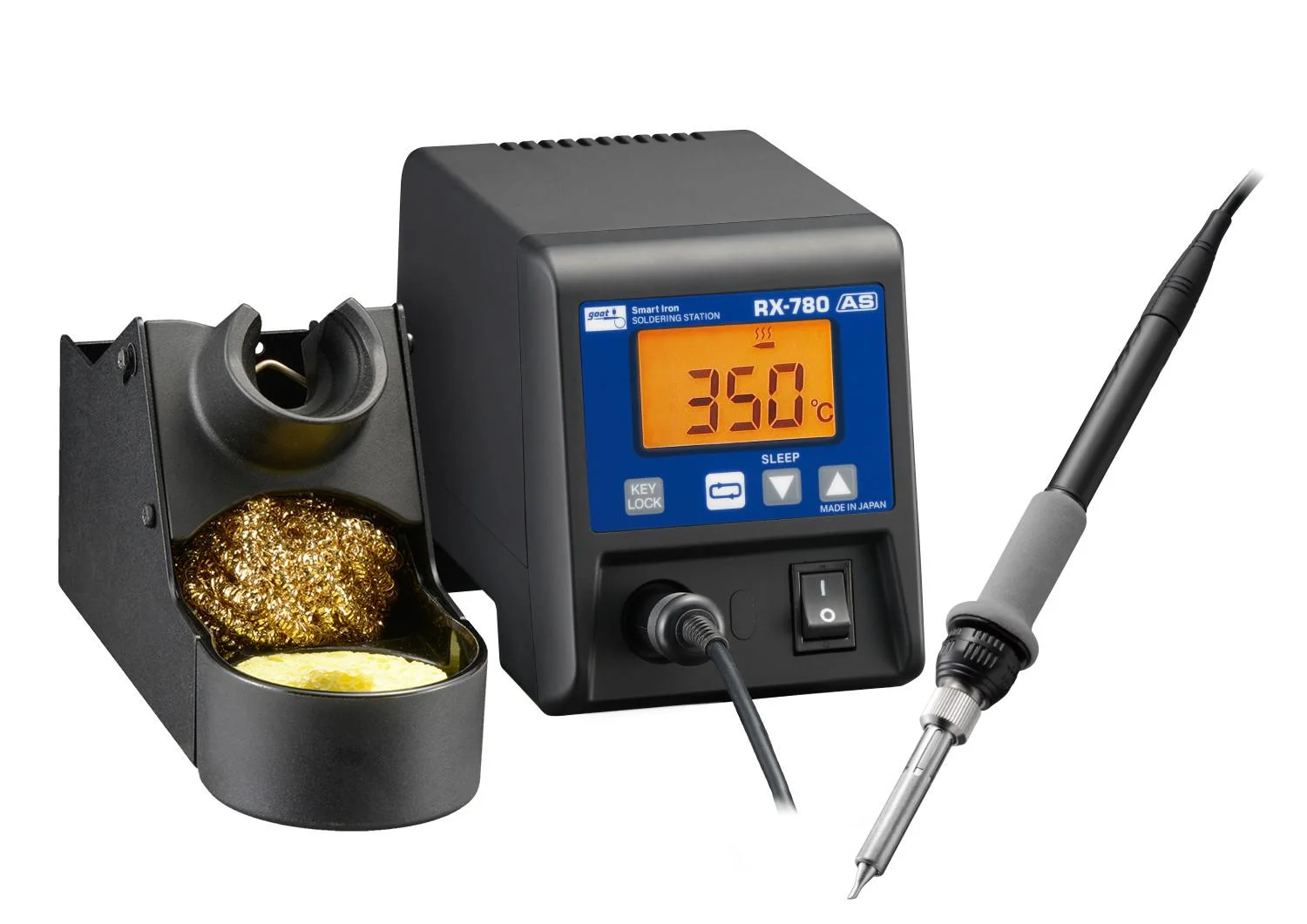
Soldering stations provide adjustable, controlled heat for electronics assembly and repair tasks. Consider temperature stability, power, tip range, recovery time, ESD-safe design and compatibility with the intended workload.

Rework stations help technicians remove, replace or repair components on populated circuit boards. Select a system based on component types, process control, nozzle or tool options, repeatability and the required rework methods.
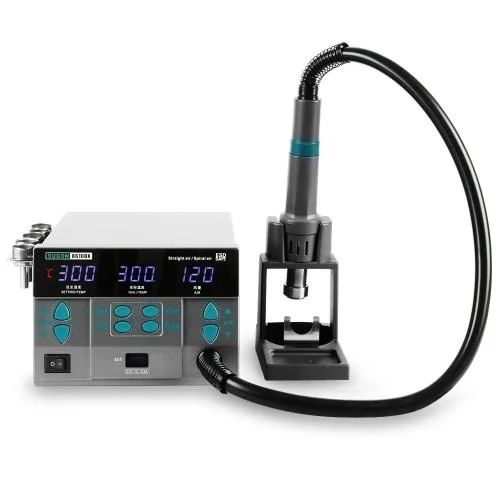
Hot-air stations deliver directed heated airflow for soldering and desoldering surface-mount components. Airflow control, temperature range, nozzle selection and protection of nearby components are important selection factors.
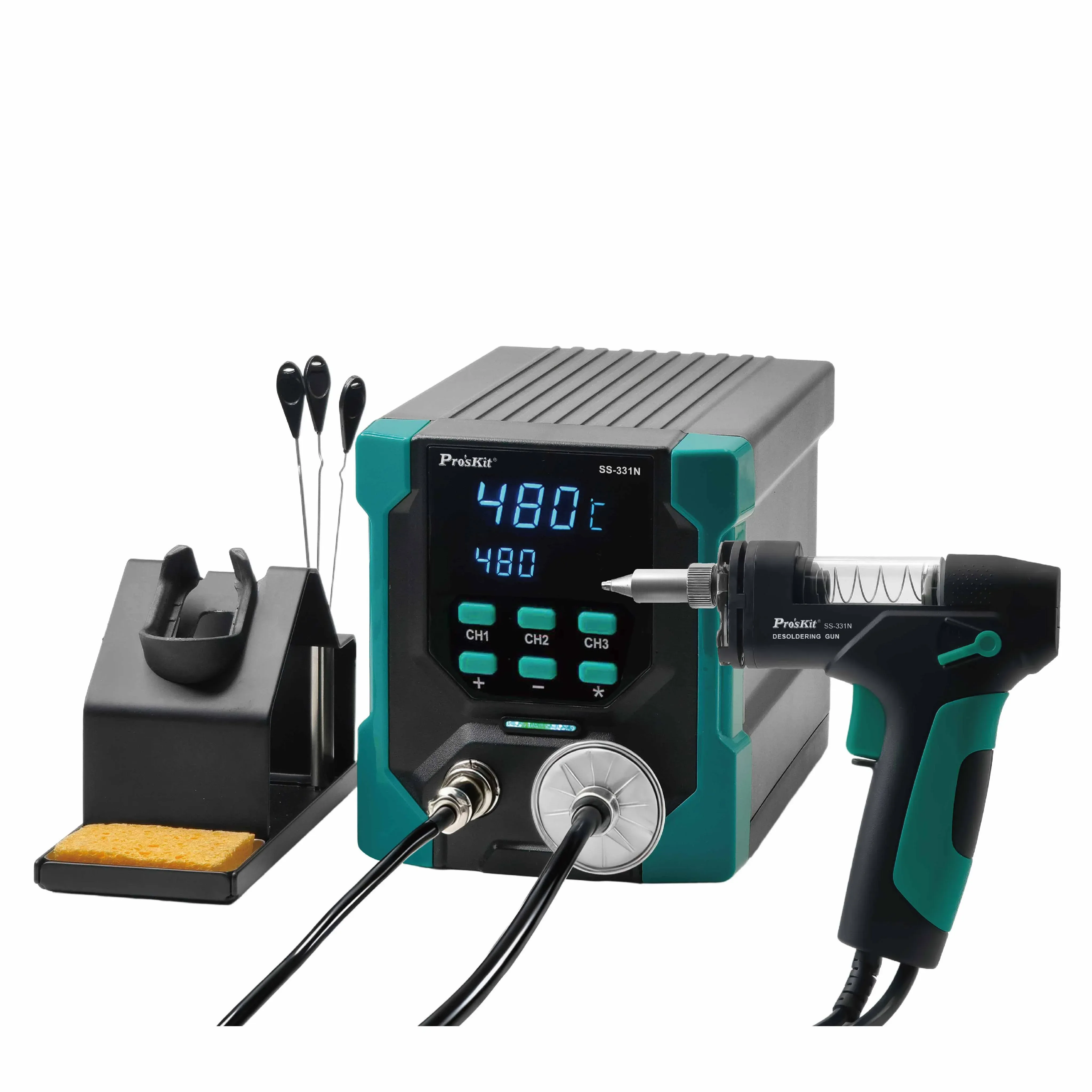
Desoldering equipment removes solder from joints to support component replacement and board repair. Options may include pumps, wick, heated tools or integrated systems, selected to suit the joint type and repair process.
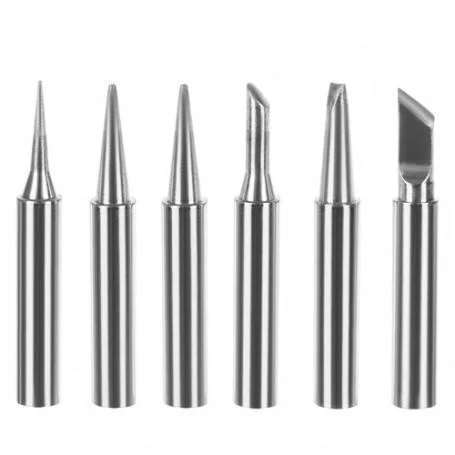
Soldering tips are available in different shapes and sizes to suit fine-pitch work, general joints and larger thermal loads. Tip geometry, compatible station model, coating durability and heat transfer needs guide selection.

Fume extraction systems capture and filter airborne fumes generated during soldering and related processes. Consider extraction flow, capture distance, filter type, replacement requirements, noise and workstation layout.
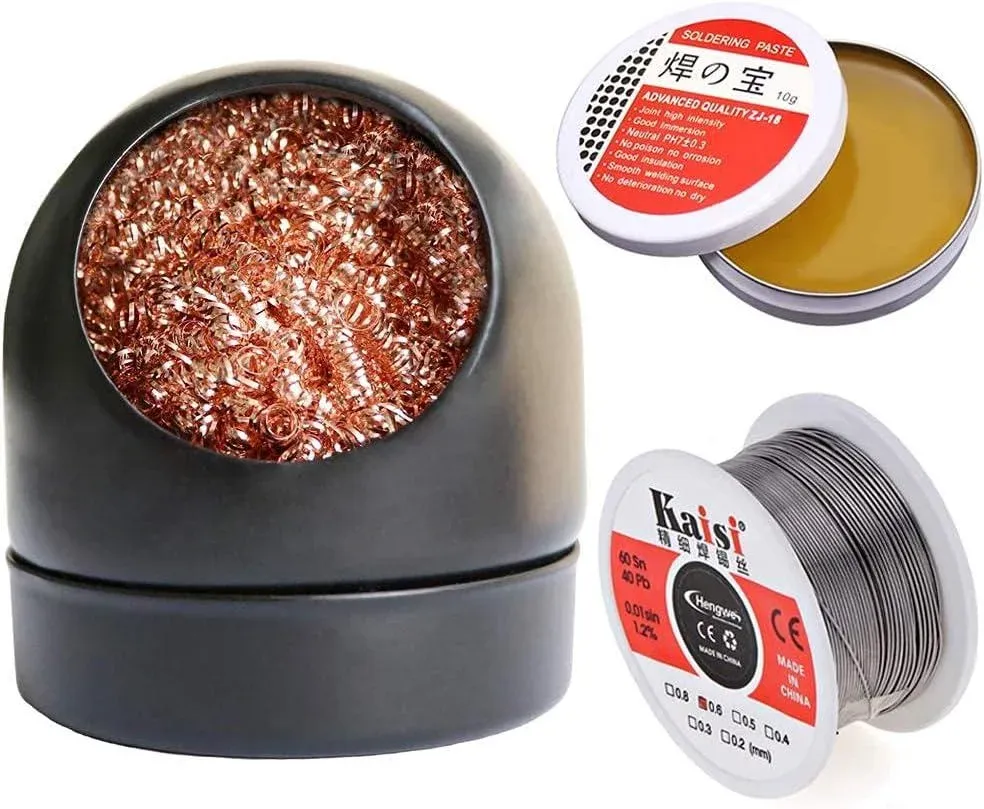
Soldering accessories help maintain an organised and reliable soldering workstation. Depending on the process, these may include holders, tip cleaners, stands, brass wool, sponges and replacement parts compatible with the equipment.
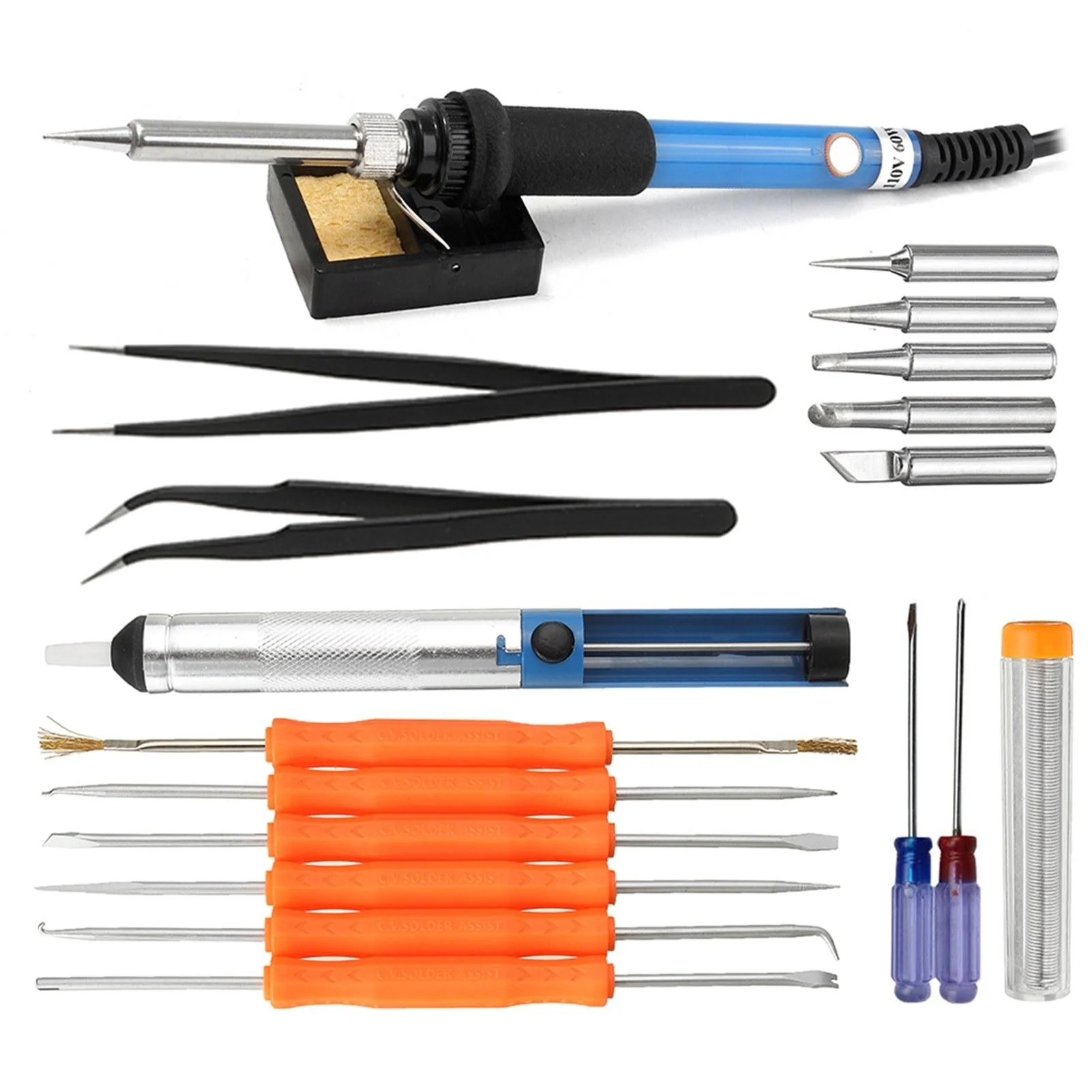
PCB repair tools assist with board-level troubleshooting, component removal, pad repair and precision rework. Select tools based on board layout, component size, repair technique, precision requirements and technician workflow.
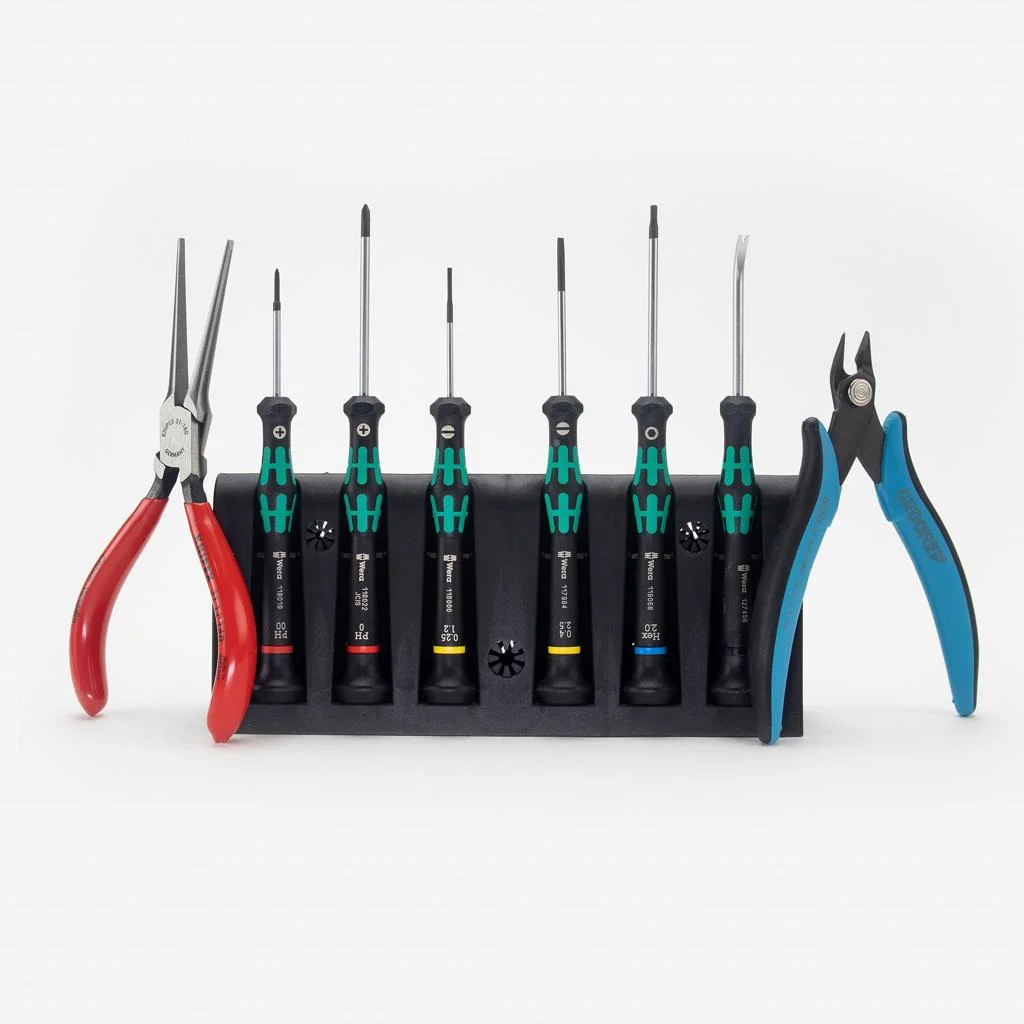
Hand tools such as cutters, pliers, drivers and precision tweezers support electronics assembly and maintenance. Tool size, grip, precision, durability and ESD suitability should match the intended task.
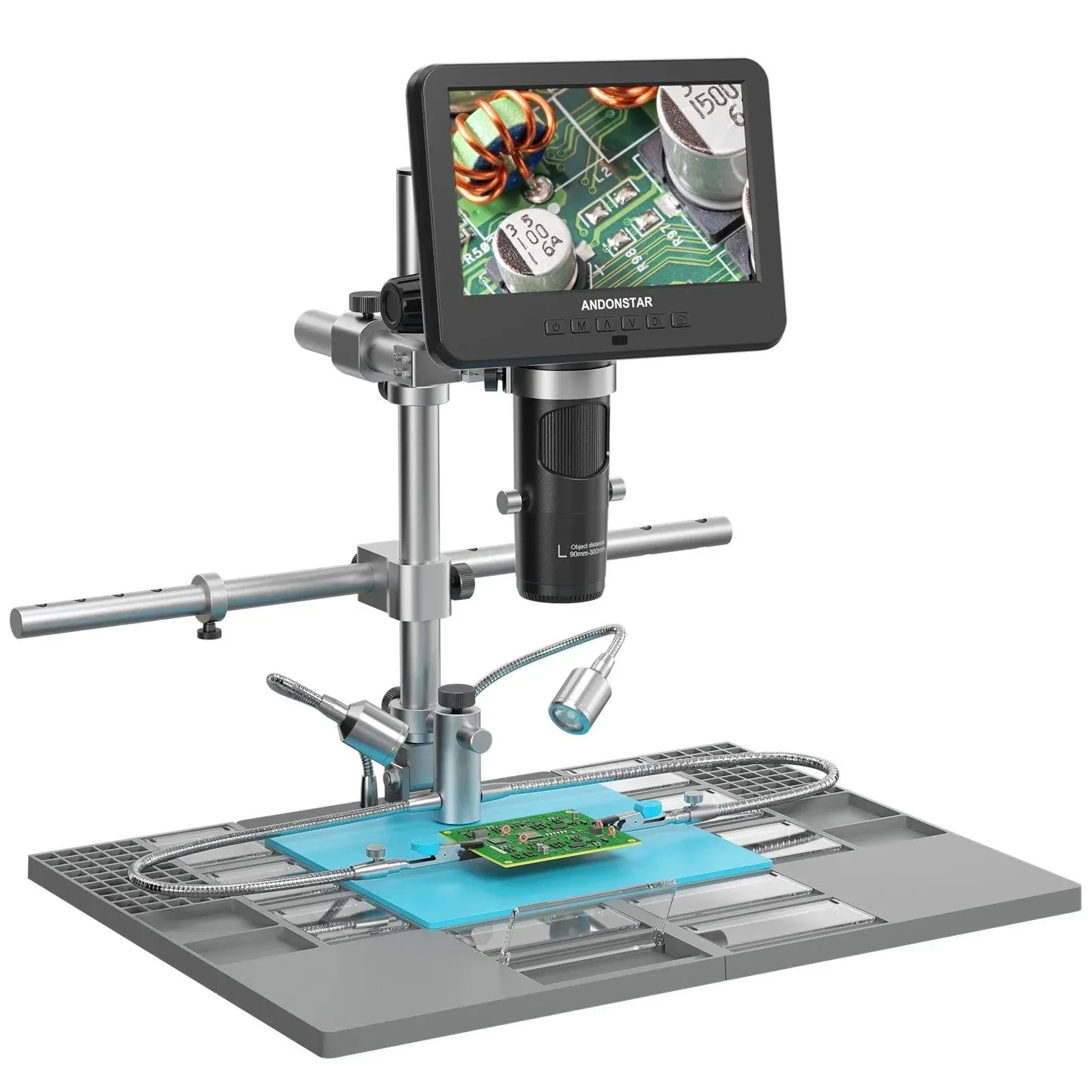
Inspection equipment helps operators examine solder joints, component placement and PCB workmanship. Magnification, lighting, image capture, working distance and inspection criteria determine the suitable setup.
Test and measurement instruments help verify electrical characteristics, troubleshoot circuits and validate electronic assemblies. Instrument selection should reflect the required measurement range, accuracy, bandwidth, safety category, connectivity and test environment.

Multimeters measure electrical values such as voltage, current and resistance for testing and troubleshooting. Consider measurement ranges, accuracy, display, continuity features, input protection and the relevant safety rating.
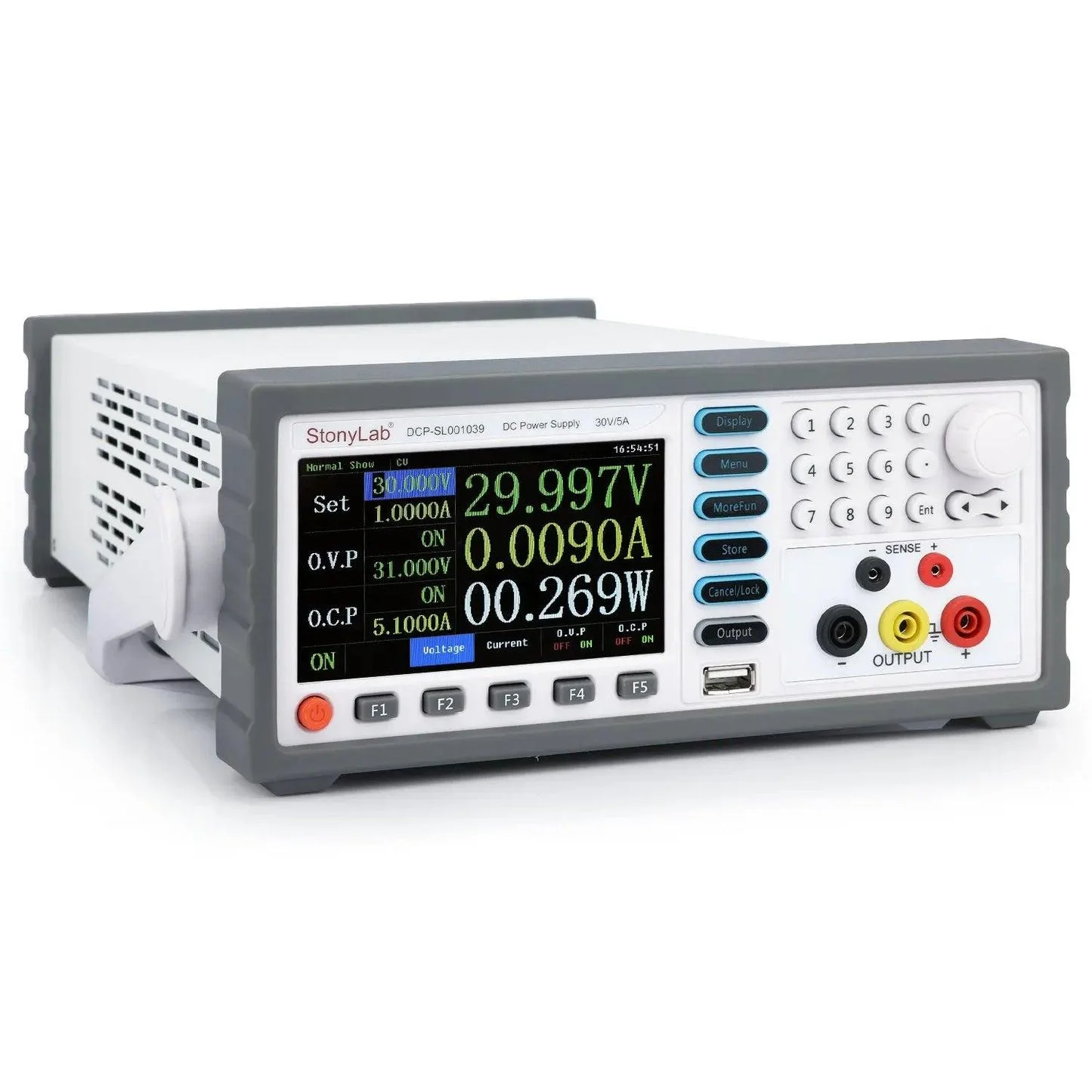
Bench power supplies provide controlled DC power for development, testing and repair. Output voltage and current, regulation, ripple, protection features, channel count and remote-control options help determine suitability.

Oscilloscopes display electrical signals over time for analysing circuit behaviour and diagnosing faults. Bandwidth, sample rate, channel count, memory depth, probe compatibility and triggering features should match the signals under test.
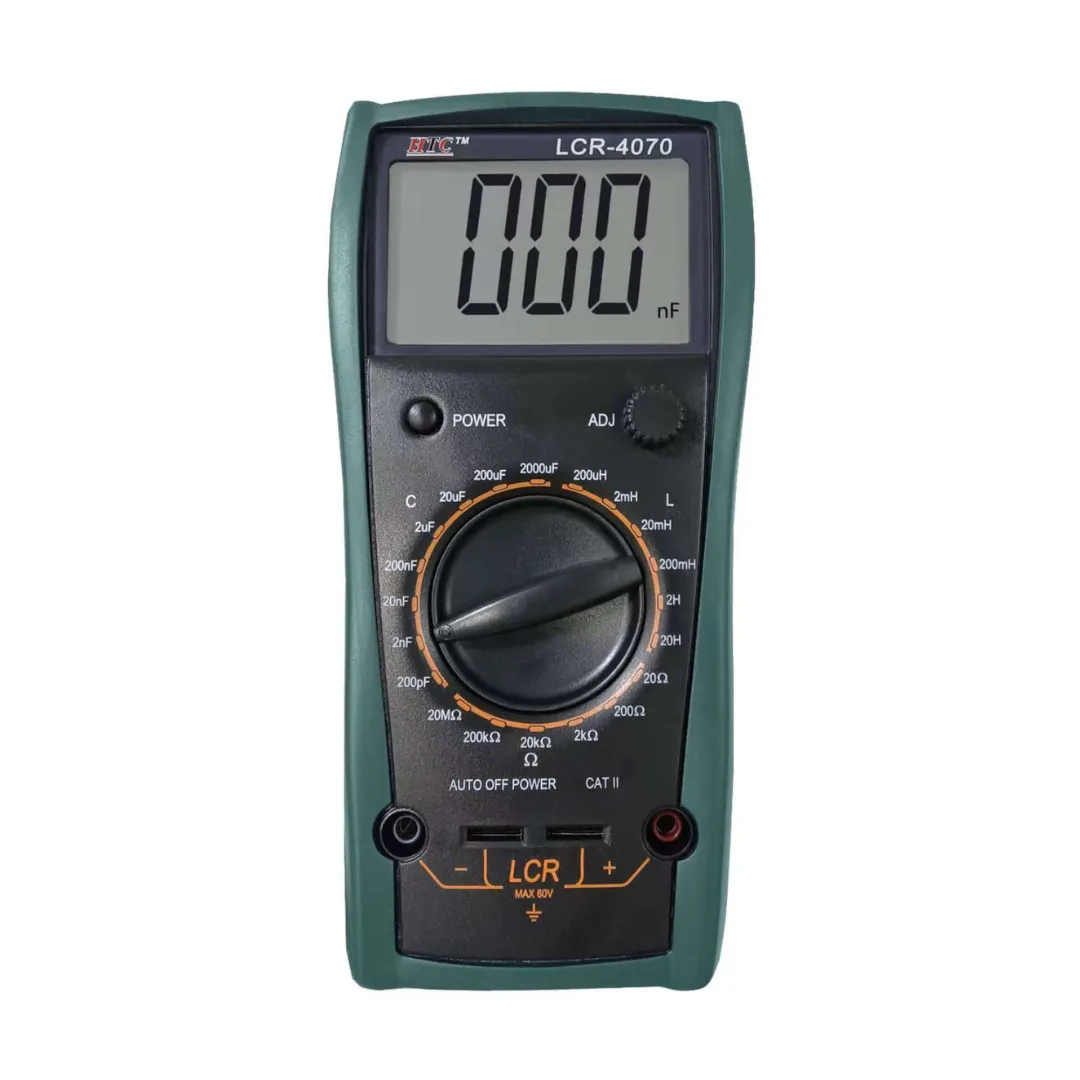
LCR meters measure inductance, capacitance and resistance in components and circuits. Measurement frequency, accuracy, test levels, fixture compatibility and component range are key factors when choosing an instrument.
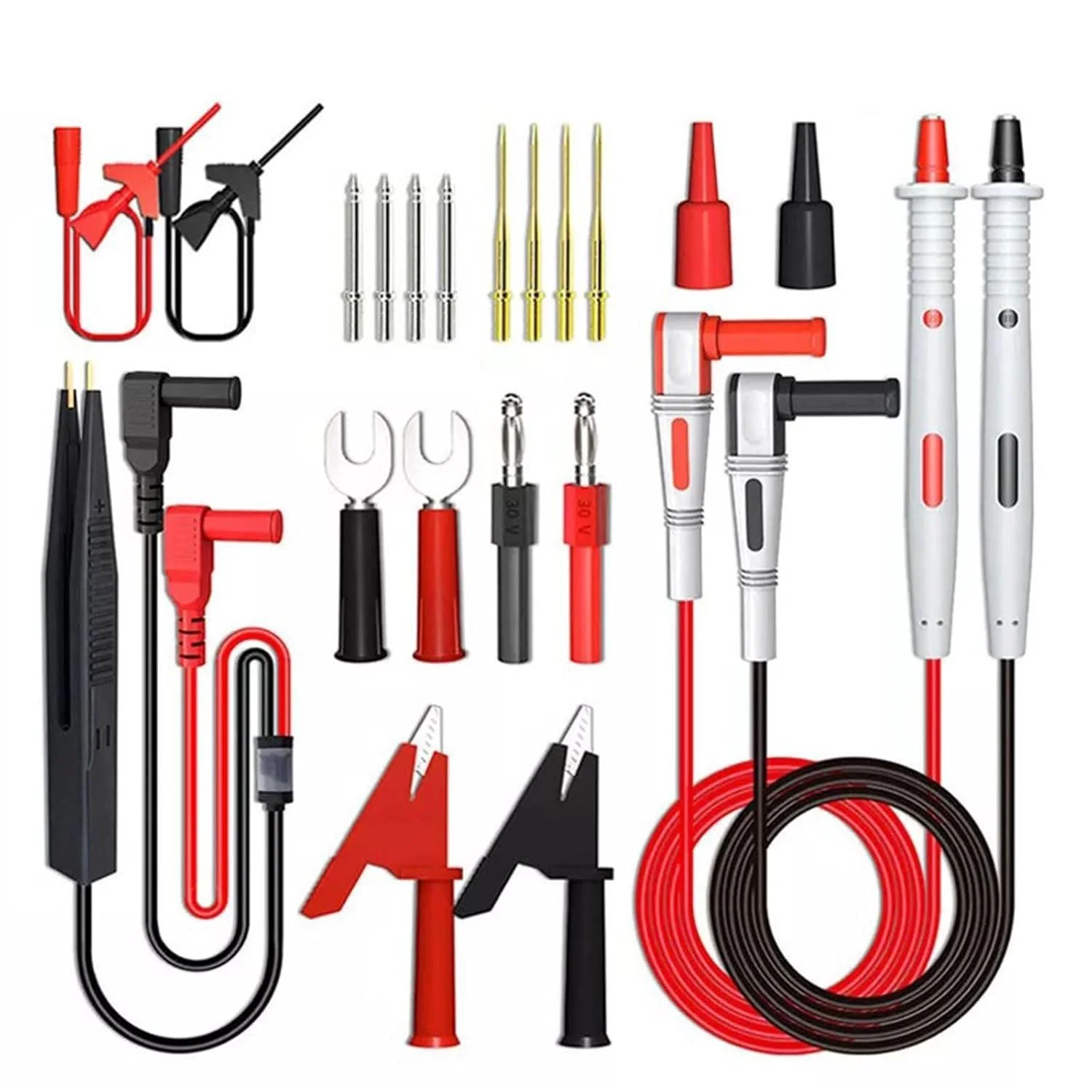
Test accessories connect instruments to devices under test and support repeatable measurements. Leads, probes, clips, adapters and fixtures should be compatible with the instrument, electrical limits and test procedure.
Share your BOM, part list, drawing or custom manufacturing requirement with our team.